
Jiuzhaigou Travel Guide for First-Time Visitors
Understand the Y-shaped valley system, plan a realistic sightseeing day and learn how to combine Jiuzhaigou with Huanglong and Chengdu without making the route unnecessarily rushed.
Jiuzhaigou is one of Sichuan’s most memorable natural destinations. Its clear lakes, waterfalls and forests are spread across a large Y-shaped scenic area. A good first visit depends less on seeing every stop and more on understanding the park layout, using the sightseeing buses well and protecting enough time for the journey.
What first-time visitors should know.
Do not plan Jiuzhaigou as a quick day trip from Chengdu
The scenic area itself needs a full day. Arrival, hotel check-in and the return journey should be treated as separate parts of the trip.
How the park is organized.
Jiuzhaigou resembles the letter Y. Rize Valley and Zechawa Valley form the upper branches, while Shuzheng Valley leads back toward the entrance. Daily shuttle routing and access may vary, so treat this layout as a planning framework rather than a fixed bus sequence.
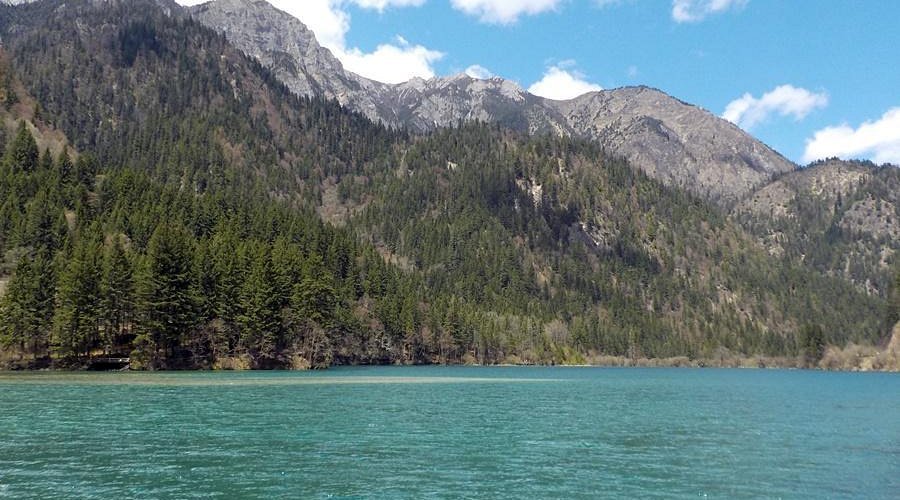
Rize Valley
Often the most varied branch, with well-known lakes, forest scenery and waterfalls. Many visitors give it a high priority.
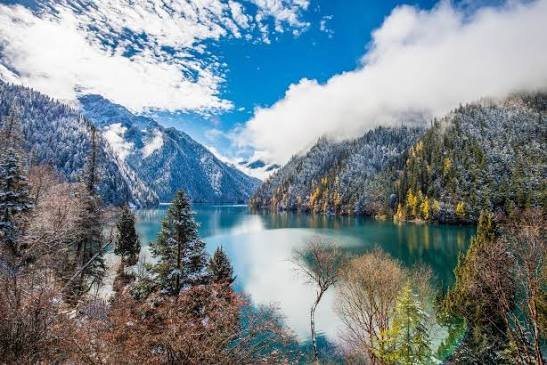
Zechawa Valley
Known for higher scenic areas and major viewpoints such as Long Lake and Five-Color Pond.

Shuzheng Valley
The branch closest to the entrance, with lakes, waterfalls, villages and several useful boardwalk sections.
The easiest way to move around Jiuzhaigou.
The most practical approach is to use sightseeing buses for long distances and walk only selected boardwalk sections. Trying to walk the whole park usually wastes time and energy.
Enter early
An earlier start gives you more time to respond to daily shuttle routing and changing visitor flow.
Use the shuttle uphill
Save your energy by using park transport to reach an upper branch.
Walk selected sections
Choose boardwalks where nearby lakes and waterfalls can be linked comfortably on foot.
Return through Shuzheng
Use the lower branch as the natural direction back toward the entrance when daily operations allow.
Do not try to visit every viewpoint
A better day includes several memorable walks, enough time for photos and a realistic return to the entrance before closing.
Common transport combinations from Chengdu.
Transport arrangements can change, so use the options below as planning categories rather than guaranteed schedules. Reconfirm the exact train, shuttle, road-transfer and flight details for your travel dates.
Train plus road transfer
Travel by rail toward the Jiuzhaigou and Huanglong area, then continue by scheduled or arranged road transfer. Connection timing must be checked carefully.
Private or arranged transfer
A pre-arranged vehicle simplifies station pickup, hotel arrival and luggage handling. It can be especially useful for families or small groups.
Flight plus road transfer
Flights may suit some itineraries, but arrival still requires a road transfer. Weather and operating conditions should be considered.
Reconfirm every transport segment
Train frequency, transfer departures, flight operations, road conditions and park-entry arrangements may change. Keep written confirmation for the exact travel date.
How many days should you allow?
2 Days / 1 Night
This requires unusually efficient connections and leaves little room for delays. It is not the preferred first-time format.
3 Days / 2 Nights
One arrival day, one full park day and one departure day create a more realistic Jiuzhaigou-only visit.
4–5 Days
Better for combining Jiuzhaigou with Huanglong, accommodating families or allowing more conservative transport timing.
Why the two destinations work well together.
Jiuzhaigou and Huanglong are often paired because they form one strong nature-focused route. Jiuzhaigou is the larger landscape destination, while Huanglong adds stepped mineral pools, forest walks and a different style of scenery.
Give each destination its own role
Protect a full day for Jiuzhaigou. Treat Huanglong as a separate scenic visit rather than trying to combine both in one day.
Keep the sequence flexible
The order may depend on transport, weather, arrival time and the arrangement confirmed for your travel date.
Plan for different walking conditions
Huanglong and Jiuzhaigou have different route structures. Review walking comfort and daily pace separately.
Avoid a same-day return to Chengdu
Long scenic visits followed by major transfers can make the final day unnecessarily tiring and less reliable.
A practical first-time direction.
This structure gives Jiuzhaigou and Huanglong enough space while using Chengdu as the main transport gateway. The exact order should be adjusted to confirmed schedules.
Day 1: Chengdu
Arrive, check in and keep the first evening flexible for tea or a simple local meal.
Day 2: Transfer North
Travel toward the Huanglong and Jiuzhaigou area using the confirmed rail, flight or road-transfer plan.
Day 3: Huanglong
Visit Huanglong at a pace suited to the group, then continue to the Jiuzhaigou area when appropriate.
Day 4: Jiuzhaigou
Protect a full day for the scenic area, sightseeing buses and selected boardwalk walks.
Day 5 is the return day
Return to Chengdu or continue to the next confirmed destination. Avoid connecting a remote transfer directly to an international departure without enough buffer.
What each season feels like.
Spring
Fresh greenery and variable weather. Mornings and higher scenic areas may still feel cool.
Summer
Green forests and longer daylight, with a greater need to plan around rain and busy travel periods.
Autumn
Famous for colorful forests and strong photography conditions, but also one of the periods requiring earlier planning.
Winter
Quieter and visually distinctive, with colder temperatures and a greater need to recheck transport and scenic-area operations.
Prepare before entering the park.
Stay near the entrance
A convenient hotel location makes an early park start easier and reduces morning transport stress.
Carry the required identification
Keep the original identification used for booking available and check current visitor-entry requirements in advance.
Dress in layers
Temperatures can change between morning, midday and different parts of the scenic area.
Carry light food and water
Keep your bag manageable while carrying enough for a long sightseeing day.
Save offline travel details
Keep hotel names, transport information, tickets and key addresses available in Chinese.
Protect the final transfer
Avoid scheduling a remote return immediately before an important flight or train connection.
Planning guidance, not a confirmed booking
This article provides a practical starting point. Formal quotations, contracts, payments, cancellation terms and confirmed travel services are handled by the licensed travel agency partner.
Frequently asked questions.
Can Jiuzhaigou be visited in one day?
The scenic area can be visited in one full day, but the complete trip from Chengdu also requires separate arrival and departure time.
Which valley should I visit first?
Many visitors prioritize Rize Valley, but the most practical order can depend on daily shuttle routing, access and crowd management.
Is Jiuzhaigou suitable for families?
It can be, because sightseeing buses reduce long-distance walking. Families should still prepare for a full day, changing weather and selected boardwalk walks.
Should I combine Jiuzhaigou with Huanglong?
Yes, when four or five days are available and the transport sequence is planned carefully. Avoid compressing both into an overly short trip.
How many nights should I stay?
Two nights is a practical minimum for many first-time visitors, with one complete day dedicated to Jiuzhaigou.
Does the sample route confirm transport or tickets?
No. Current tickets, transport and confirmed services must be checked and issued separately for the exact travel dates.
Plan Jiuzhaigou as a complete nature journey.
Jiuzhaigou is easiest to enjoy when you stop treating it as a single attraction. Understand the Y-shaped valley system, use the sightseeing buses strategically, choose selected walks and protect a full park day.
For many first-time visitors, the strongest route is Chengdu, Huanglong and Jiuzhaigou rather than adding several distant destinations to the same short itinerary.
Need help fitting Jiuzhaigou and Huanglong into your route?
Compare the 5-day itinerary or share your dates, group size and preferred pace. Wander Sichuan provides destination information and enquiry support, while formal booking is handled by the licensed travel agency partner.