
Jiuzhaigou Travel Guide for First-Time Visitors
Learn how the three valleys fit together, plan one rewarding day inside the park and combine Jiuzhaigou with Huanglong and Chengdu at a comfortable pace.
Jiuzhaigou is not difficult because of one long hike; it is difficult because there are many beautiful stops spread across a very large scenic area. The best first visit uses the sightseeing buses for long distances, saves walking for selected boardwalks and avoids trying to photograph every viewpoint.
The essentials before you begin planning.
The most common planning mistake
Visitors often count Jiuzhaigou as one day without counting the journey to and from the area. Treat transport days as part of the itinerary, not as invisible time.
What makes each branch different.
The park resembles the letter Y. Rize and Zechawa form the two upper branches, while Shuzheng leads back toward the entrance. Daily shuttle routing may vary, so use this map logic to understand the park rather than expecting one fixed visiting order.
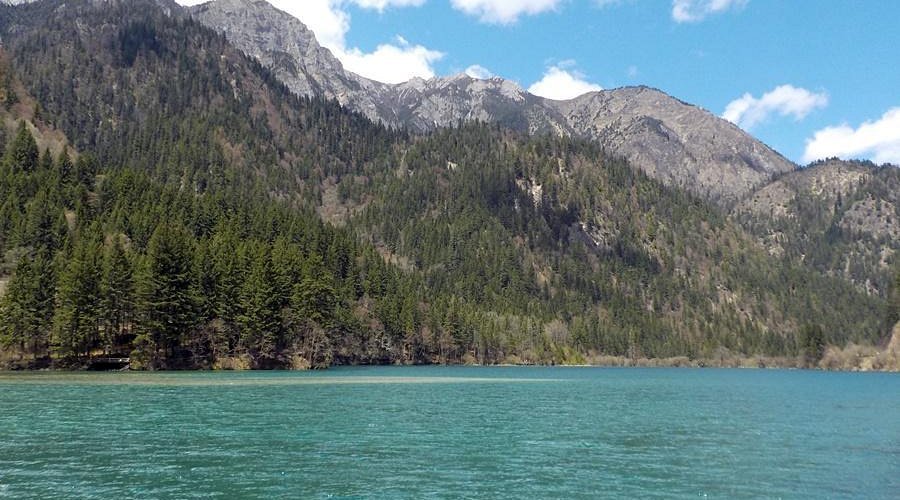
Rize Valley
Famous for a dense concentration of lakes, waterfalls and forest scenery. It is often the highest-priority branch for first-time visitors.
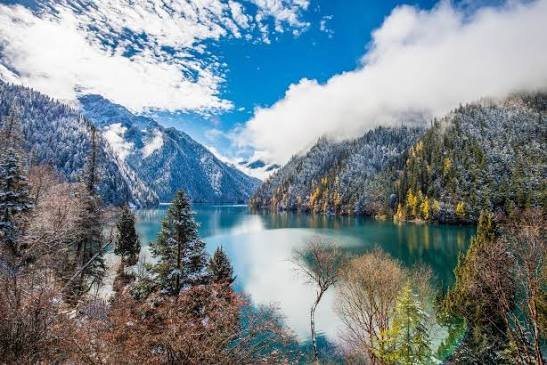
Zechawa Valley
Known for large-scale views and stops such as Long Lake and Five-Color Pond.
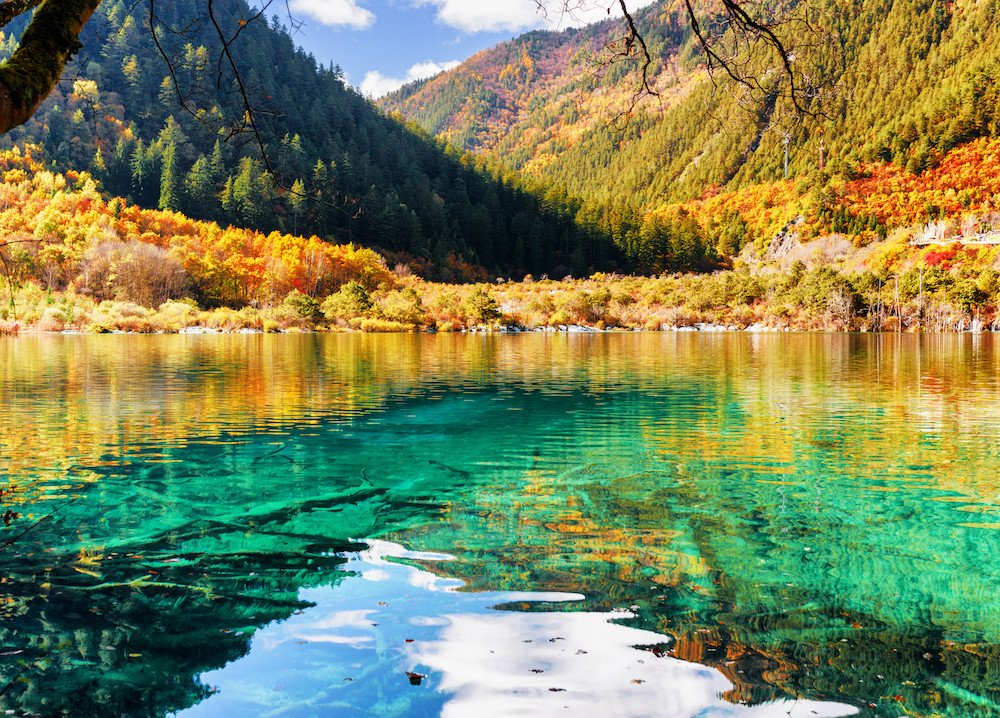
Shuzheng Valley
Lakes, waterfalls, villages and useful boardwalks make this a natural final section on the way back toward the entrance.
A better rhythm for your sightseeing day.
Use the bus for distance and your energy for the scenery.
Start early, ride toward an upper branch, walk selected sections between nearby viewpoints and gradually work back toward the entrance. The exact branch order may depend on daily park operations.
Enter Early
Begin near opening time and follow the day’s shuttle directions.
Ride Up First
Use the shuttle for the longest uphill section.
Choose Key Walks
Walk only where several nearby viewpoints connect well.
Pause for Lunch
Allow enough time to eat and reset before the lower branch.
Finish in Shuzheng
Return through the entrance-side branch when operations allow.
Do not measure success by the number of stops
A strong day includes a few unhurried walks, enough time for photos and a comfortable return to the entrance—not every viewpoint on the map.
Common ways to connect from Chengdu.
Transport details can change. Use these options to compare comfort and flexibility, then reconfirm the exact timetable and transfer arrangement for your travel date.
Rail + Road Transfer
Travel by train toward the Jiuzhaigou and Huanglong area, then continue by scheduled or arranged vehicle. Connection timing matters.
Arranged Vehicle
Pre-arranged pickup simplifies luggage, hotel arrival and transfers between Huanglong and Jiuzhaigou.
Flight + Road Transfer
Flying may suit some schedules, but a road transfer is still needed after landing and operations may be weather-sensitive.
Keep all connections in writing
Reconfirm departure time, pickup point, luggage arrangements and the final hotel destination before the travel day.
Choose convenience before scenery.
For a first visit, the most useful hotel is usually one that makes the park entrance and morning transport easy. A beautiful but inconvenient location can create an unnecessarily early and stressful start.
Near the Scenic-Area Entrance
The easiest option for early entry and a simple return after a long day.
Full-Service Hotel
Useful for families and travelers who value heating, breakfast and reliable luggage support.
Transfer Logistics
Confirm the distance to the entrance and whether early transport is available when needed.
Why this is the strongest short nature route.
Jiuzhaigou offers the larger landscape experience; Huanglong adds stepped mineral pools, forest walks and a distinctly different visual character. They work well together when each receives its own time.
One destination per day
Give Jiuzhaigou a full day and treat Huanglong as a separate scenic visit.
Keep the order flexible
The best sequence depends on arrival time, transport and weather.
Compare walking comfort
The two scenic areas have different walking patterns and daily rhythms.
Avoid a rushed return
Do not finish a major scenic visit with a same-day long transfer when avoidable.
A practical Chengdu, Huanglong and Jiuzhaigou framework.
The exact sequence should follow confirmed transport, but this structure gives each scenic area enough space and avoids treating transfer time as a full sightseeing day.
Arrive in Chengdu
Check in and keep the first evening flexible.
Travel North
Use the confirmed rail, flight or arranged transfer plan.
Visit Huanglong
Allow a comfortable scenic-area visit before continuing onward.
Explore Jiuzhaigou
Protect one complete day for buses, boardwalks and photography.
Return to Chengdu
Keep enough buffer before any important onward departure.
What each season offers.
Spring
Fresh greenery, cool mornings and changing mountain weather.
Summer
Green forests and longer daylight, with more need to plan around rain.
Autumn
Famous forest color and strong photography conditions, with heavier demand.
Winter
Quieter scenery and colder conditions, requiring more schedule flexibility.
Small preparations make the park day much easier.
Carry the required identification
Keep the original document used for booking available.
Dress in layers
Temperatures can change across the day and between scenic areas.
Travel with a light day bag
Carry water, simple snacks, rain protection and essential medication.
Save details offline
Keep tickets, hotel names and transfer information available in Chinese.
Protect camera and phone batteries
Cold weather and a long photography day can reduce battery life.
Leave a departure buffer
Avoid connecting the remote return directly to an important flight.
Use this guide as a planning framework
Final transport, tickets, hotel availability and confirmed travel services should be checked for the exact dates and handled in writing by the licensed travel agency partner.
Frequently asked questions.
Can I see Jiuzhaigou in one day?
One full day is suitable for the scenic area, but arrival and departure require additional days or partial days.
Which valley should I visit first?
Rize Valley is often prioritized, but the actual order may depend on daily shuttle routing and access.
Is Jiuzhaigou suitable for families?
Yes for many families, because buses reduce long-distance walking. A full day and selected boardwalk sections still require preparation.
Should I combine Jiuzhaigou with Huanglong?
Yes, when four or five days are available and each scenic area is given its own time.
How many nights should I stay?
Two nights is a practical minimum for many first-time visitors.
Does this route include confirmed tickets or transport?
No. It is an itinerary framework. Current tickets, transport and confirmed services must be arranged separately.
Plan for depth, not the maximum number of stops.
Jiuzhaigou is most rewarding when the sightseeing day feels spacious enough for walking, photography and changing light. Learn the three-valley layout, use the buses strategically and choose a few boardwalk sections well.
For a first nature-focused trip, Chengdu, Huanglong and Jiuzhaigou form a stronger route than adding several distant destinations to the same short itinerary.
Need help fitting Jiuzhaigou and Huanglong into your dates?
Compare the five-day route or share your dates, group size and preferred pace. Wander Sichuan provides destination information and enquiry support, while formal booking is handled by the licensed travel agency partner.