
How to Spend 3 Days in Chengdu
A balanced first-time itinerary covering giant pandas, historic neighborhoods, traditional tea culture and the food experiences that make Chengdu one of China’s most enjoyable cities.
Three days is enough to understand Chengdu’s character without turning the trip into a checklist. The best first visit combines one early panda morning, one day focused on historic and cultural areas, and enough unstructured time for tea, food and neighborhood life.
A comfortable introduction to Chengdu.
This itinerary assumes that you stay in a central area and prefer a balanced pace. It avoids unnecessary cross-city movement and leaves room for meals, rest and small discoveries between the major stops.
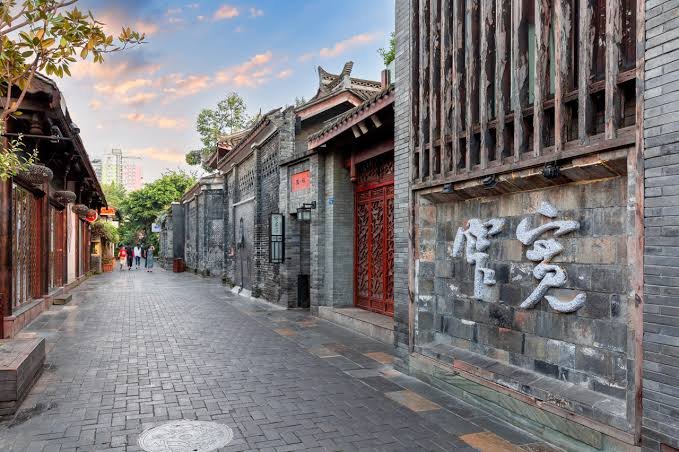
Old Chengdu, Tea Culture and an Easy First Evening
Begin with the city’s slower rhythm rather than rushing directly into a full sightseeing schedule. People’s Park and the surrounding central neighborhoods give a useful first impression of how Chengdu residents relax, socialize and eat.
People’s Park
Walk through the park, watch local activities and spend time in a traditional tea house. The value is not only the tea—it is the pace and atmosphere around you.
Kuanzhai Alley or Nearby Historic Streets
Explore restored lanes, courtyards and shops. Avoid treating every storefront as a must-see; use the area as an easy introduction to Chengdu’s historic urban character.
Hotpot or a Gentle Food Introduction
Choose hotpot when the group is ready for a longer meal, or begin with noodles, dumplings and smaller dishes if you prefer something easier after arrival.
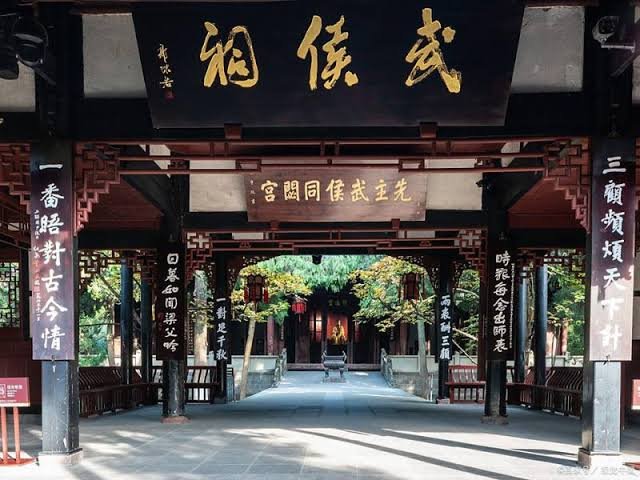
Panda Morning, Wuhou Shrine and Jinli
The Panda Base is most enjoyable when visited early. After the morning visit, return to the city for a more cultural afternoon rather than adding another long-distance attraction.
Chengdu Panda Base
Arrive near opening time when possible. Allow enough time for the main panda areas and walking between enclosures, and check current ticket and entry requirements before the visit.
Wuhou Shrine
Learn about the Three Kingdoms period and the historical figures connected with the site. The gardens and red walls also provide a calmer contrast to the busy morning.
Jinli and Sichuan Opera
Walk through Jinli for snacks and evening atmosphere. A Sichuan Opera performance can be added later, especially for visitors interested in traditional music and face-changing.
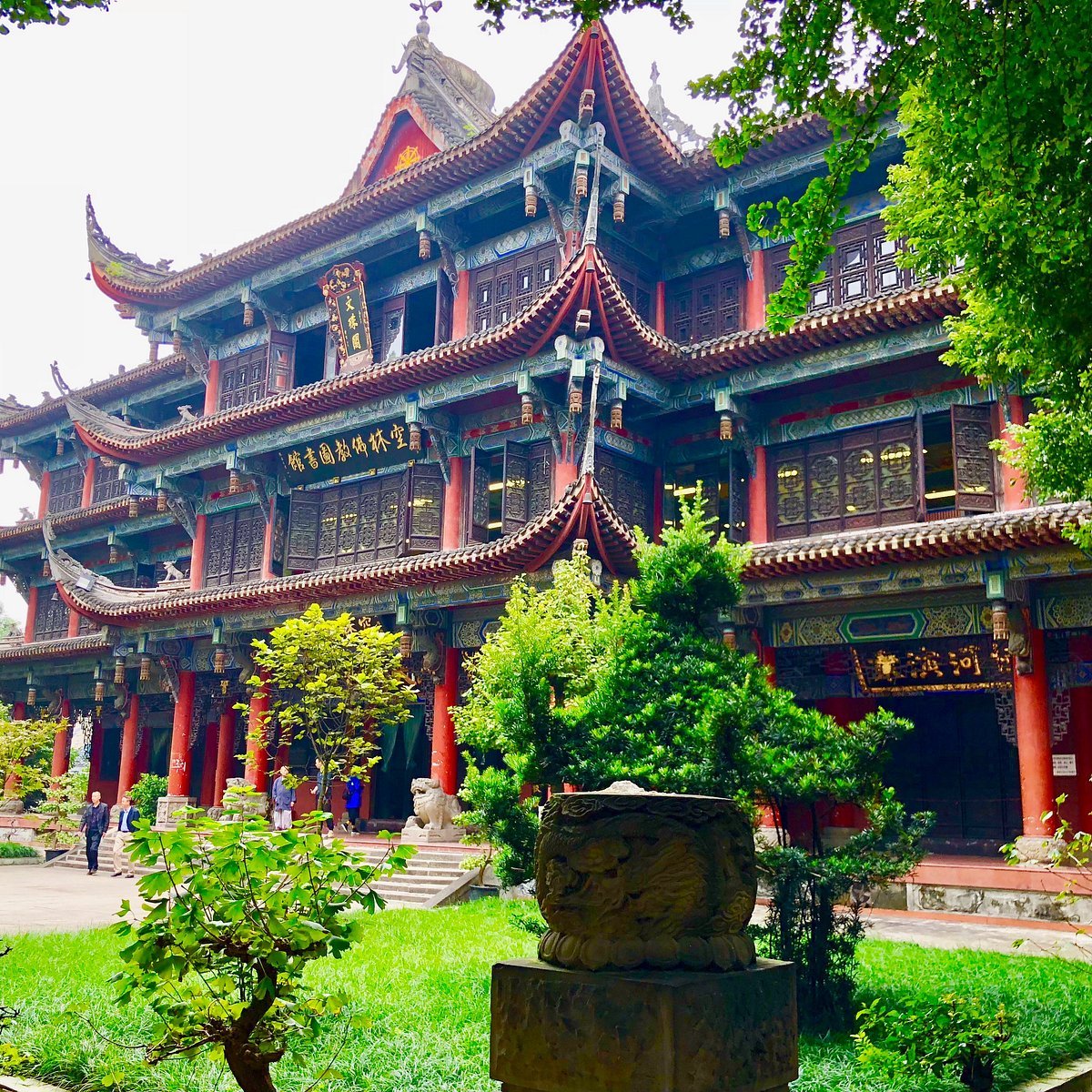
Wenshu Monastery, Local Streets and a Food-Focused Finish
Use the final day to see a quieter side of Chengdu. Wenshu Monastery and the surrounding streets work well before a final food-focused afternoon and a flexible evening.
Wenshu Monastery
Visit the temple complex and nearby streets at an unhurried pace. Dress and behave respectfully, and confirm any current photography or access rules on arrival.
Local Food and Market Exploration
Try noodles, dumplings, wontons or small shared dishes. A local market or neighborhood food street can add context without requiring another major attraction.
Flexible Final Evening
Revisit a favorite neighborhood, choose a quieter restaurant or leave time for shopping and packing. A flexible final evening often improves the trip more than one extra attraction.
Build the trip around several smaller food experiences.
Chengdu food is not limited to one hotpot meal. The city is best experienced through a mix of snacks, noodles, dumplings, home-style dishes and one longer shared dinner.
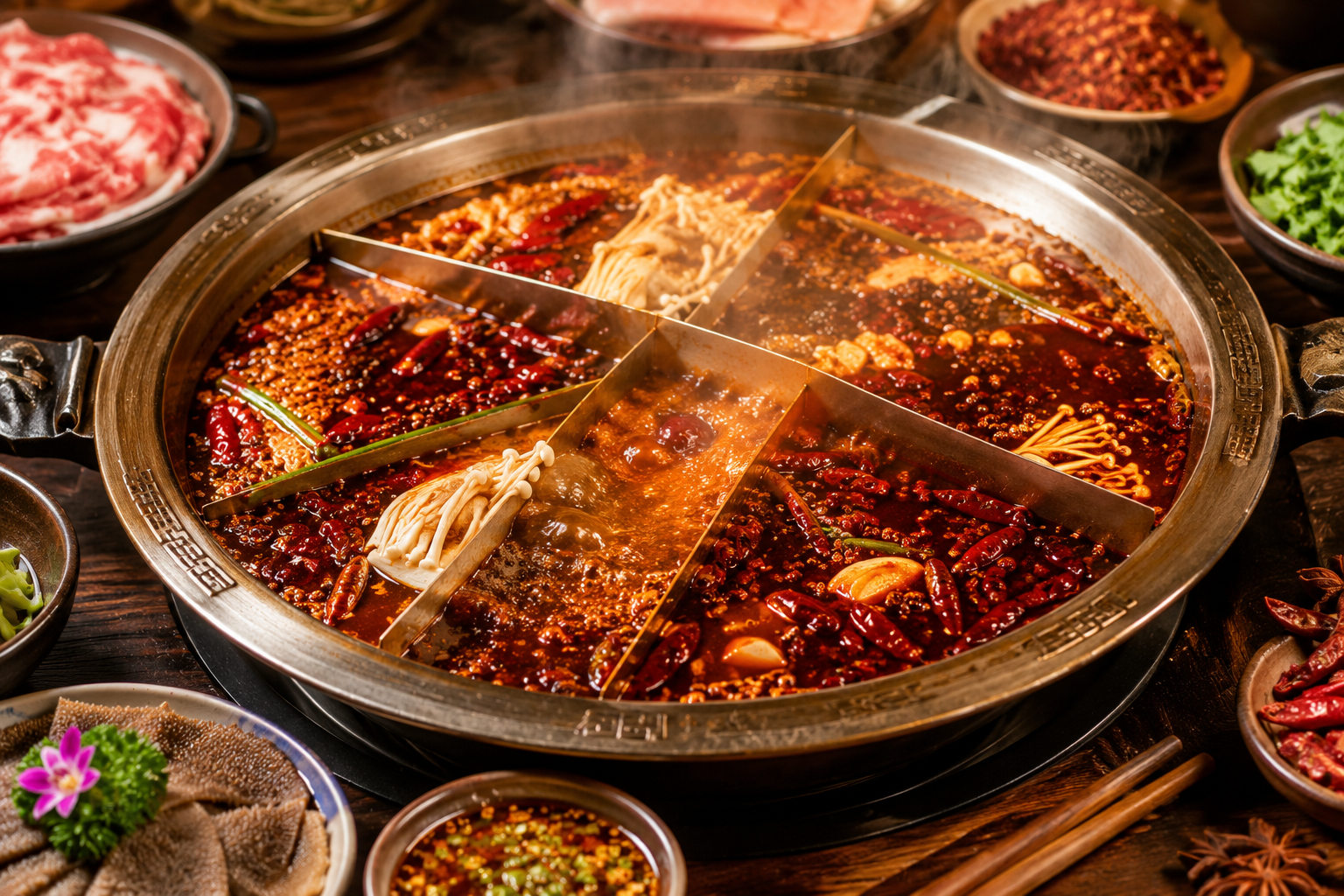
Sichuan Hotpot
Hotpot is social, flexible and strongly associated with Chengdu. Visitors who prefer less heat can request a divided pot or a milder broth. Explain allergies and dietary restrictions clearly before ordering.
Dan Dan Noodles
Small noodles with a savory, spicy and nutty sauce.
Zhong Dumplings
Soft dumplings with a sweet, garlicky and chili-based sauce.
Long Chao Shou
Chengdu-style wontons served in clear broth or red oil.
Mapo Tofu
Soft tofu with fermented bean paste, chili and Sichuan pepper.
Rabbit Head or Local Snacks
For adventurous eaters, choose one unusual local specialty alongside familiar dishes.
Tea-House Snacks
Simple snacks and tea can be as memorable as a formal restaurant meal.
Adjust the third day to match your interests.
Sanxingdui
Replace most of Day 3 with Sanxingdui when archaeology and ancient Shu history are a major priority. Treat it as a focused museum day rather than a quick add-on.
Dujiangyan
Choose Dujiangyan for ancient engineering, riverside scenery and historic streets. It requires a full-day rhythm and should replace, not simply be added to, the Day 3 city plan.
Slower Chengdu Day
Keep the final day in Chengdu for Du Fu Thatched Cottage, Qingyang Palace, local cafés, shopping or additional food exploration.
Small planning choices make the three days much easier.
Stay in a central area
A convenient base reduces repeated cross-city transfers and makes evenings easier.
Start the Panda Base early
Early arrival usually creates a calmer visit and leaves the afternoon available for city sightseeing.
Do not overpack Day 1
Arrival, hotel check-in and jet lag can reduce the useful part of the first day.
Leave time for meals
Chengdu food experiences often take longer than expected, especially hotpot and shared dinners.
Check current ticket rules
Entry procedures and opening arrangements can change, especially for major attractions.
Keep the final evening flexible
Use it for a favorite neighborhood, shopping, rest or an unplanned food discovery.
Planning guidance, not a confirmed booking
This itinerary is a practical starting point. Formal quotations, contracts, payments, cancellation terms and confirmed travel services are handled by the licensed travel agency partner.
Need to adjust the route for your arrival time or group?
Compare the 3-day itinerary with longer Sichuan routes, or share your dates, group size and preferred pace. Wander Sichuan provides route information and enquiry support, while formal booking is handled by the licensed travel agency partner.