
Chengdu Beyond the Famous Attractions
Leave the busiest sightseeing routes behind and discover the parks, neighborhoods, creative spaces and everyday rituals that reveal how Chengdu really lives.
Pandas, hot pot and historic alleys may introduce you to Chengdu, but the character of the city often appears in quieter moments: tea beneath bamboo, breakfast in a neighborhood market, an afternoon beside the river or a conversation in a tiny local café.
Chengdu's most famous attractions deserve their popularity. The Giant Panda Base, Wuhou Shrine, Jinli Street and Kuanzhai Alley are logical stops for a first visit. However, visiting only these places can leave you with an incomplete impression of the city.
Beyond the main sightseeing circuit, Chengdu is a city of tree-lined communities, public gardens, religious traditions, converted factories and small restaurants that have served nearby residents for years. These places are not necessarily secret or completely free from visitors. Many are well known among local residents, especially on weekends. They simply offer a more natural view of daily life.
A useful way to approach Chengdu: do not try to turn every hour into sightseeing. Choose fewer places, walk slowly, stop for tea and leave room for an unplanned meal. The slower pace is not time lost—it is part of the experience.
What Kind of Chengdu Will You Find?
Relaxed parks, residential lanes, local markets and unhurried riverside evenings.
Repeat visitors, photographers, food lovers and travelers interested in local life.
One full day is enough for a first taste, while two days allow a much slower experience.
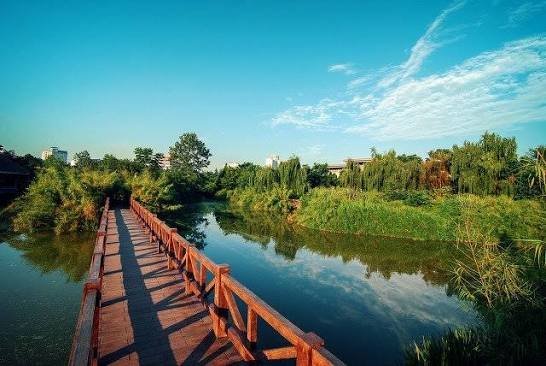
Walk Through Huanhuaxi Park
Huanhuaxi Park offers a softer introduction to Chengdu than the city's busy commercial streets. Its paths follow waterways, gardens and wooded spaces where residents walk, exercise, photograph birds or simply sit beneath the trees.
The park is close to Du Fu Thatched Cottage and the Sichuan Museum, but it has a noticeably different rhythm. Rather than moving directly from one exhibit to another, you can wander without a strict route and observe the everyday use of Chengdu's public spaces.
Come in the morning for a calmer walk or in the late afternoon when families and neighborhood residents begin returning to the paths.
Combine the park with one nearby cultural attraction rather than rushing through several museums in the same day.
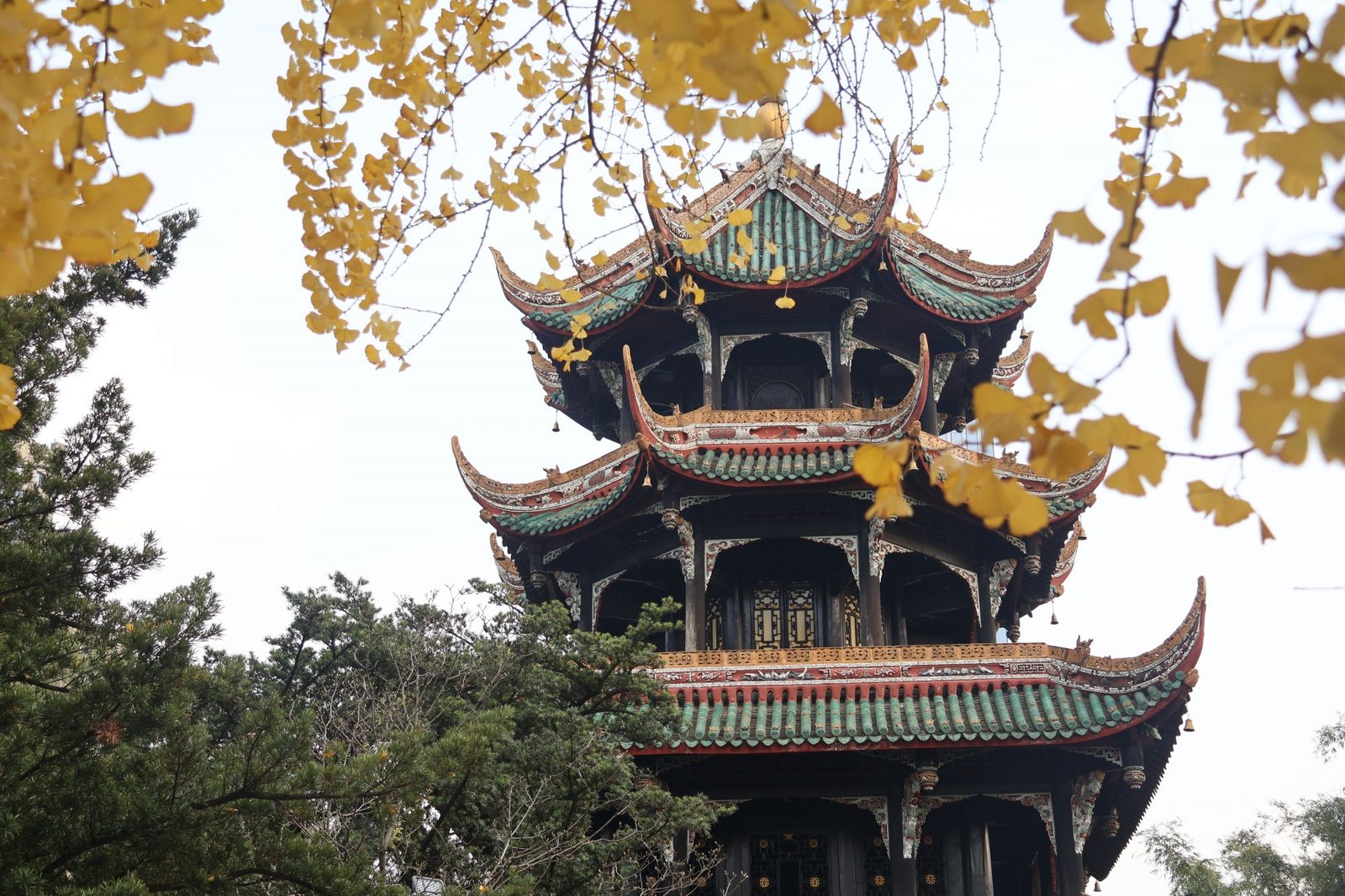
Slow Down Among Bamboo at Wangjiang Pavilion Park
Located beside the Jin River, Wangjiang Pavilion Park combines traditional architecture, bamboo gardens and the literary memory of the Tang dynasty poet Xue Tao.
The park is particularly rewarding for travelers who enjoy details rather than large-scale attractions. Look closely at the roofs, garden gates, stone paths and different shapes of bamboo. In the more open areas, the experience becomes less about monuments and more about watching Chengdu residents spend their leisure time.
Parts of the park may feel active on weekends, but it generally offers more space to pause than the city's most commercial historic streets.
Save time for the public garden area instead of visiting only the historic buildings and leaving immediately.
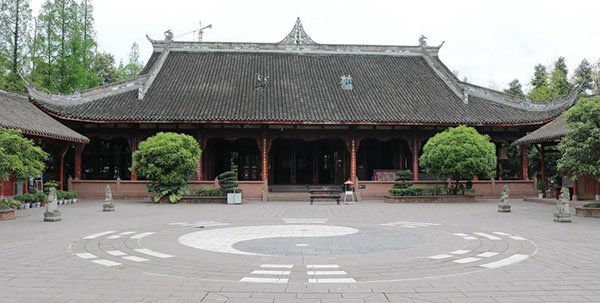
Experience a Quieter Side of Chengdu's Spiritual Life
Qingyang Palace is one of Chengdu's best-known Taoist sites, yet many international visitors pass it while concentrating on the city's Buddhist temples or Three Kingdoms history.
The experience here is not only architectural. Incense, courtyards, old trees and the movement of worshippers create a setting that feels separate from the traffic outside. Visit respectfully, speak quietly and avoid treating active religious spaces only as photography backgrounds.
Qingyang Palace can be paired naturally with Huanhuaxi Park, the Sichuan Museum or a walk through the surrounding residential streets.
Keep the Chinese name “青羊宫” saved on your phone so it is easier to show a driver or search in a Chinese map app.
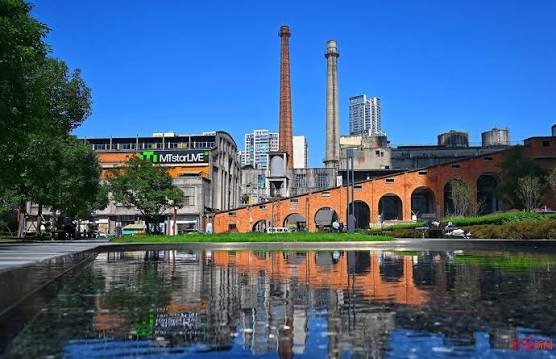
See How an Industrial Site Became a Creative District
Eastern Suburb Memory shows a very different side of Chengdu. Former industrial buildings and machinery have been integrated into a cultural district containing performance spaces, exhibitions, cafés, shops and photography locations.
The contrast between old factory structures and contemporary youth culture makes the area visually interesting, especially for travelers who want something beyond traditional temples and reconstructed historic streets.
The atmosphere depends heavily on the day. Some visits may coincide with exhibitions, markets or performances, while quieter weekdays are better for architecture and photography. Check current event information before making a special trip.
Visit later in the afternoon so you can see the area in daylight and stay as its restaurants and venues become livelier.
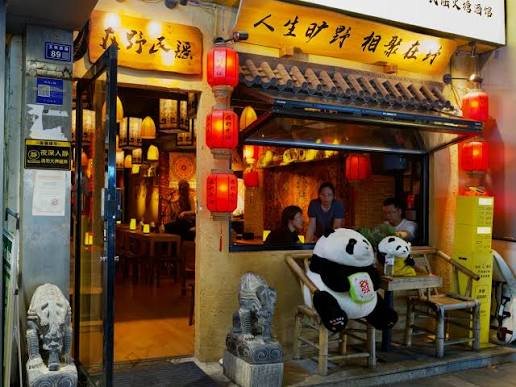
Spend an Afternoon in Yulin
Yulin is not a single attraction with a formal entrance. It is a lived-in neighborhood where older residential streets, markets and family-run restaurants exist beside independent cafés, small bars, vintage shops and newer creative businesses.
That mixture is exactly what makes it worthwhile. One block may feel distinctly traditional, while the next contains a carefully designed coffee shop or a tiny music venue. The neighborhood offers a useful picture of how modern Chengdu changes without completely erasing its older routines.
There is no need to follow a rigid checklist. Walk through the market, stop for noodles or dumplings, have coffee and return in the evening when the dining streets become busier.
Small restaurants may have limited English information. Photos, translation apps and a willingness to point are often more useful than searching only for English menus.
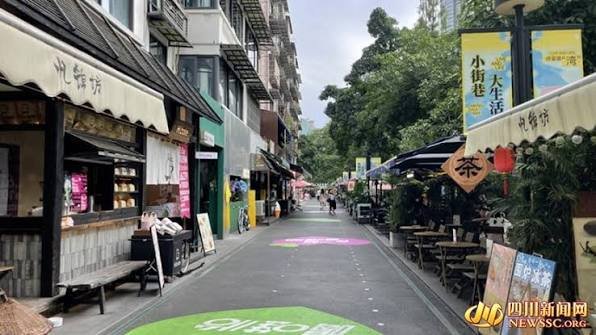
Finish the Day Beside the Jin River
Chengdu becomes especially atmospheric in the early evening, when the temperature softens and residents begin gathering beside the river. The area around Wangping Street provides a relaxed combination of cafés, restaurants, small shops and views along the Jin River.
From here, continue on foot toward Dongmen Wharf and the illuminated bridges farther downstream. The exact route matters less than the timing: arrive before sunset, walk slowly and let the city shift from daylight into evening.
Jiuyan Bridge and nearby nightlife areas become noticeably busier later at night. Travelers seeking a quieter experience may prefer the earlier part of the evening.
Begin around sunset rather than arriving only after dark. The changing light gives the river walk much more atmosphere.
Two Easy Ways to Plan the Day
These places are spread across different parts of Chengdu, so trying to visit all six in one day would work against the slower experience they are meant to provide. Choose one of the following routes instead.
Local Culture and Green Spaces
Best for travelers interested in gardens, religious culture and an easy neighborhood evening.
- Morning: Walk through Huanhuaxi Park.
- Late morning: Visit Qingyang Palace.
- Lunch: Choose a small local restaurant nearby.
- Afternoon and evening: Explore Yulin without a fixed route.
Creative Chengdu and River Views
Best for photography, urban design, cafés and a more contemporary view of the city.
- Late morning: Begin at Eastern Suburb Memory.
- Afternoon: Explore its cafés, exhibitions and industrial spaces.
- Early evening: Continue to Wangping Street.
- After sunset: Walk beside the Jin River toward the illuminated bridges.
Practical Tips for Exploring Local Chengdu
Save Chinese Place Names
Keep the Chinese name of each destination in a screenshot. This makes map searches and communication with drivers easier.
Do Not Overplan
Two or three neighborhoods in one day are usually enough. Crossing the city repeatedly can consume more time than expected.
Check Current Information
Opening hours, admission policies, exhibitions and performances can change. Confirm details shortly before visiting.
Carry a Light Rain Layer
Chengdu's weather can be humid and changeable. A compact umbrella or light waterproof layer is useful in many seasons.
Visit Markets Respectfully
Neighborhood markets are working spaces rather than staged attractions. Ask before taking close-up photographs of vendors.
Leave Space for Food
Chengdu is recognized by UNESCO as a Creative City of Gastronomy. Small neighborhood meals can be as memorable as famous restaurants.
The Real Attraction Is Chengdu's Rhythm
Going beyond Chengdu's famous attractions does not mean avoiding everything popular. It means balancing the essential sights with places where the city feels less arranged for visitors.
Sit longer than expected in a park. Order something unfamiliar from a neighborhood restaurant. Watch a game of mahjong without needing to understand the rules. Walk beside the river as the lights appear.
These small experiences may not produce the most obvious sightseeing checklist, but they often become the moments that travelers remember most clearly.
Discover a More Personal Side of Chengdu
Tell us what you enjoy—food, history, photography, local neighborhoods or slow travel—and we will help you build a Sichuan itinerary around it.
Plan My Sichuan Trip