
Is Dujiangyan Worth a Day Trip?
An ancient irrigation system, riverside scenery and a slower atmosphere beyond central Chengdu—but is Dujiangyan the right choice for your limited time in Sichuan?
Dujiangyan is one of the most popular day trips from Chengdu, yet it is sometimes misunderstood. It is not simply an old dam, and it is not the kind of attraction where you arrive, take one photograph and leave.
The real appeal lies in seeing how an ancient water-management system still shapes the landscape, walking beside fast-moving rivers and forested hills, and experiencing a smaller Sichuan city with a very different pace from Chengdu.
Yes, Dujiangyan is worth a day trip for travelers interested in Chinese history, engineering, landscape design and local culture. However, visitors with very limited time in Chengdu may prefer to prioritize the pandas, the city’s food scene or another major Sichuan destination.
Why Is Dujiangyan Famous?
Dujiangyan is best known for its historic irrigation system, constructed more than two thousand years ago to control the Min River and distribute water across the Chengdu Plain.
Instead of relying on a conventional dam that completely blocks the river, the system uses the natural shape of the landscape, river channels and carefully designed structures to divide water, reduce flooding and carry water toward agricultural areas.
What makes the site especially interesting is that it is not only an archaeological monument. The wider water-management system continues to influence farming, settlement and daily life across the region.
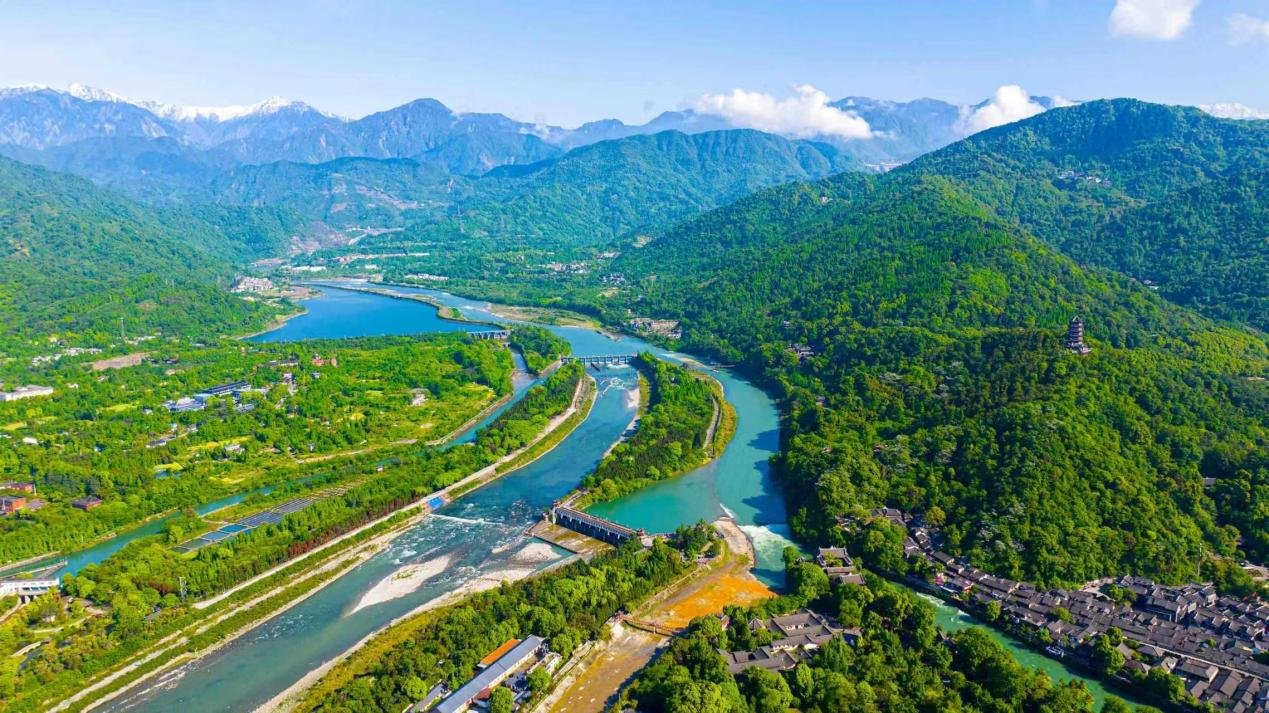
Dujiangyan combines ancient engineering with a dramatic riverside landscape.
What Will You Actually See?
A visit to Dujiangyan includes more than one single structure. The sightseeing area is spread along the river and surrounding hills, with bridges, temples, historic waterworks and elevated viewpoints.
Yuzui, the Fish Mouth Levee
Yuzui is one of the key parts of the irrigation system. Its position divides the river into different channels, helping control how water flows through the area.
Even without a technical background, visitors can appreciate how the shape of the river and the placement of the structure work together.
Feishayan, the Flying Sand Weir
This section of the system helps manage excess water and sediment. It demonstrates that the Dujiangyan project was not based on one clever idea, but on several connected mechanisms designed to respond to changing river conditions.
Baopingkou, the Bottle-Neck Channel
Baopingkou is a narrow channel cut through the mountain to guide water toward the Chengdu Plain. Seen from nearby viewpoints, it provides one of the clearest examples of how human engineering was adapted to the natural geography.
Anlan Suspension Bridge
The suspension bridge is one of the most memorable parts of the visit. It crosses the river near the main waterworks and offers wide views of the rushing water, green hills and surrounding structures.
The bridge can move slightly as people walk across it, which may feel uncomfortable for visitors who dislike heights or unstable surfaces.
Temples and Hillside Paths
The surrounding temples and forested paths add a cultural and scenic layer to the experience. Depending on your route, you may encounter traditional architecture, stone steps, viewpoints and quieter sections away from the busiest paths.
What Makes the Day Trip Worthwhile?
Why You May Love It
- It offers a meaningful combination of history, engineering and natural scenery.
- The riverside setting feels very different from central Chengdu.
- It works well for travelers who enjoy walking and exploring at a moderate pace.
- The story behind the irrigation system makes the scenery more interesting.
- The nearby old-town area provides opportunities to eat and experience local daily life.
Why It May Not Suit You
- The site requires more walking than some visitors expect.
- Crowds can reduce the atmosphere during weekends and major holidays.
- The engineering is easier to appreciate with some background explanation.
- It may feel less immediately dramatic than Jiuzhaigou or the high mountains of Western Sichuan.
- Combining it with too many other attractions can make the day rushed.
Who Should Visit Dujiangyan?
Dujiangyan is particularly suitable for first-time visitors who want to experience something beyond Chengdu’s urban attractions.
You are likely to enjoy the trip if you:
- are interested in ancient Chinese history;
- enjoy architecture, engineering or landscape design;
- prefer cultural sightseeing to theme-park-style attractions;
- want an easy excursion without traveling deep into Western Sichuan;
- enjoy rivers, forested hills and scenic walking routes;
- have at least three or four days based in Chengdu.
It may be less suitable if you have only one or two days in Chengdu, dislike walking, or mainly want dramatic mountain scenery.
A Practical Dujiangyan Day-Trip Plan
A successful day trip should leave enough time to understand the irrigation system rather than treating the site as a quick photo stop.
Travel from Chengdu
Leave Chengdu early enough to arrive before the busiest part of the day. Train, private car and organized tour options are available, but the most convenient choice depends on where you are staying.
Enter the Dujiangyan Scenic Area
Begin with an overview of the irrigation system. Understanding the basic purpose of Yuzui, Feishayan and Baopingkou will make the rest of the walk much more meaningful.
Walk Across the River and Explore the Hillside
Continue toward the suspension bridge, temples and elevated paths. Take time to enjoy the views rather than trying to complete every possible section.
Explore the Old Town and Eat Locally
After leaving the main scenic area, stop for a simple Sichuan meal or local snacks. The old-town streets can be pleasant, although some sections are more commercial than historic.
Return to Chengdu
Return before the evening becomes too late, particularly when using public transportation or traveling during a busy period.
Do not judge the trip only by the old-town streets. The main reason to visit is the irrigation system and the landscape around the river. Give the scenic area most of your time.
Should You Combine Dujiangyan with Mount Qingcheng?
Dujiangyan and Mount Qingcheng are often mentioned together because they are located in the same general area. However, fitting both into one day is not always the best choice.
The combination can work for energetic travelers who start early, use efficient private transportation and are comfortable following a fairly structured schedule.
For most independent visitors, however, combining the two can reduce both places to rushed highlights. Mount Qingcheng involves additional walking, mountain transport and time between different entrances and stations.
| Option | Advantages | Possible Drawbacks | Best For |
|---|---|---|---|
| Dujiangyan only | More relaxed, easier to understand the site, more time for the old town | Less variety in one day | First-time visitors, families and cultural travelers |
| Dujiangyan + Qingcheng | Combines engineering, culture and mountain scenery | Longer and more tiring; can feel rushed | Active travelers using private transport |
| One night in the area | More flexible and less rushed | Requires an additional hotel night | Slow travelers and visitors with a longer Sichuan itinerary |
When Is the Best Time to Visit?
Dujiangyan can be visited throughout much of the year, but each season creates a different experience.
Spring
Spring is generally comfortable for walking, with greener hills and mild conditions. Rain is possible, so a light waterproof layer is useful.
Summer
The river and surrounding vegetation can be impressive in summer, but the weather may be hot, humid or rainy. Paths can also become crowded during the school-holiday period.
Autumn
Autumn is often one of the most pleasant periods for a day trip, especially when the weather is clear and temperatures are comfortable.
Winter
Winter usually brings fewer visitors and a quieter atmosphere. However, the scenery may be less green, and shaded hillside paths can feel cold.
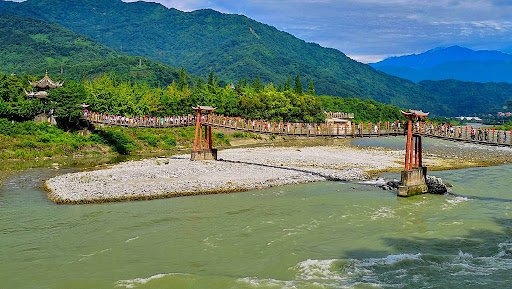
Comfortable shoes are important because the main route includes bridges, riverside paths and stone steps.
Practical Tips for Foreign Visitors
- Wear comfortable shoes. The visit usually involves a substantial amount of walking.
- Carry your passport. Identification may be required when purchasing or collecting tickets.
- Check the weather. Rain can make stone steps and bridges slippery.
- Bring water. Drinks are available inside and around the site, but carrying a small bottle is convenient.
- Avoid major public holidays when possible. Heavy crowds can affect transport, ticketing and the overall experience.
- Learn the basic story before entering. The irrigation system becomes far more impressive once you understand what each part was designed to do.
- Allow extra transport time. Stations, scenic-area entrances and local transport connections may not be as close together as they appear on a map.
Final Verdict: Is Dujiangyan Worth It?
Dujiangyan is worth visiting because it offers something that is difficult to find elsewhere: an ancient engineering achievement that still feels connected to the living landscape around it.
It is not Sichuan’s most dramatic natural attraction, nor is it the best choice for every short itinerary. Its value comes from the combination of history, river scenery, walking, local culture and the chance to understand how the Chengdu Plain developed.
For travelers spending several days in Chengdu, Dujiangyan provides a rewarding change of pace. Plan a full day, avoid trying to see too much, and learn a little about the irrigation system before you arrive.
Under those conditions, the trip is much more than a visit to an old water project—it becomes one of the most meaningful cultural excursions near Chengdu.
Frequently Asked Questions
Can I visit Dujiangyan independently?
Yes. Independent travel is possible, although visitors should plan the journey between Chengdu, the arrival station and the scenic-area entrance carefully.
How much time should I spend at Dujiangyan?
Most visitors should reserve several hours for the main scenic area, plus additional time for transport, meals and a short walk through the nearby old town.
Is Dujiangyan suitable for children?
It can be suitable for children who are comfortable walking. Families should consider the number of steps, bridges and the total length of the day.
Is the suspension bridge frightening?
The bridge may move slightly underfoot and can feel uncomfortable for people who dislike heights. Alternative routes may be available depending on the section of the site being visited.
Is Dujiangyan better than Mount Qingcheng?
They offer different experiences. Dujiangyan is stronger for history and ancient engineering, while Mount Qingcheng is better for mountain walking, forests and Taoist culture.
Is Dujiangyan worth visiting in winter?
Yes, especially for travelers who prefer fewer crowds. The landscape may be less green, but the quieter atmosphere can make the historic site easier to appreciate.
Need Help Planning Your Chengdu Day Trips?
Tell us your travel dates, interests and preferred pace. We can help you decide whether Dujiangyan, Mount Qingcheng or another Sichuan destination fits your itinerary best.